Crafting the Contenders: Michael J. Benavente on The Last of Us and the Art of Listening

.jpg)
Michael J. Benavente’s introduction to sound didn’t come with an epiphany at the movies. Nor, despite living an hour south of L.A., were any of his family in the entertainment business. Instead, it happened at an accountant.
“I’ve thought about this a lot,” he recalls. “When I was about 12, in the late ‘60s, my father took me to his accountant — I don’t remember why, I was just tagging along while he did his taxes. The accountant had these giant Koss headphones, which were pretty new at the time. He put them on me and played the soundtrack from Camelot.”
For Benavente this was life changing. “I’d never experienced music that way before. It was completely immersive. I was fascinated. My father could see how into it I was.”
Soon after, Benavente Snr modified his son’s small General Electric stereo, installing a headphone jack so he could recreate that experience at home. Benavente would spend hours in his bedroom, lost in music.
“I thought it was the coolest thing in the world. In a way, it was a curse,” he says with a laugh. “I’ve basically worn headphones most of my life since then.”
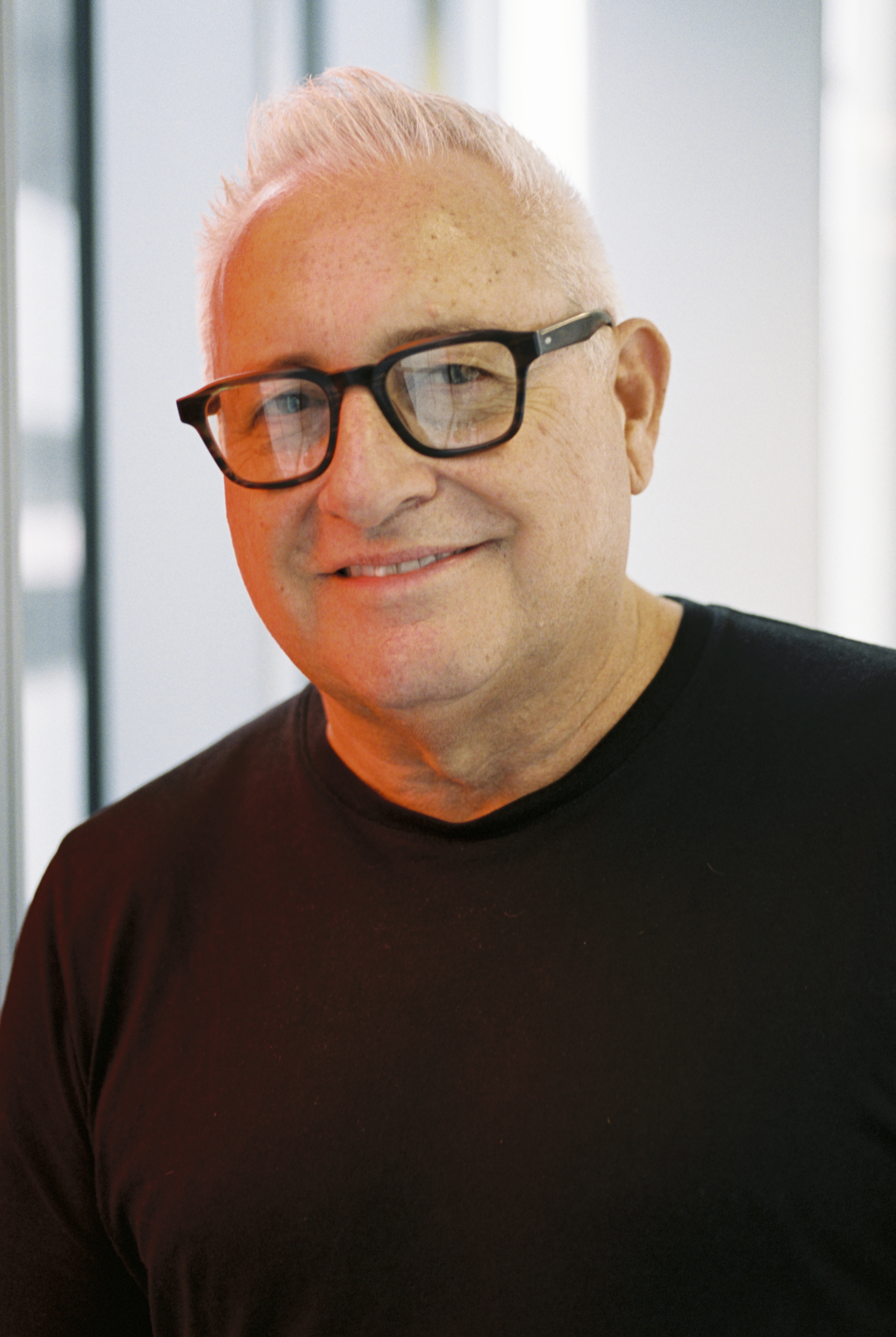
Sound post legend.
Benavente is a three-time Emmy-winning sound editor with a storied, five-decade career at the heart of Hollywood postproduction. His feature film credits include The Goonies, The Color Purple, Manhunter, Three Men and a Baby, Edward Scissorhands, Sleeping with the Enemy, Super Mario Bros., Batman Returns, There's Something About Mary, 2012, Charlie’s Angels, Moneyball, Whiplash and If Beale Street Could Talk.
Having previously served for 12 years as supervising sound editor at Sony Pictures Entertainment, and with stints at Soundelux and Technicolor, Benavente has spent the last decade as supervising sound editor at Formosa Group working on titles including HBO’s The Last of Us which won Outstanding Sound Editing for a Comedy or Drama Series (One Hour) Emmys for each of the series’ two seasons.
Here he reflects on his big break, working with directors like Paul Verhoeven and why he now gets just as much a kick from imparting his wisdom to young filmmakers.
Zero to hero
Benavente entered UCLA at 17 as an English major, intending to become a lawyer. Film school wasn’t even on his radar. It was only after he discovered UCLA had a highly competitive film program that he began to consider a different path. A professor, impressed by his work in a screenwriting class he had quietly slipped into, encouraged him to apply.
“My parents were incredibly supportive, even though we had zero connections. I applied and got accepted.”
After graduation, he found himself in the familiar position of many film students: degree in hand, no connections, no job. Graduate school at UCLA was his backup plan — and he was accepted there, too.
“But I didn’t want to go. I was 21. I wanted to work, make money, be independent.”
It took about three months, which today sounds fast. “I got a job in the mailroom at a TV studio — the cliché Hollywood starting point.”
Within a year, he had moved to KABC Television as an assistant editor, working in a department that trimmed older films to fit broadcast time slots. “If it was a musical, you’d just cut out a song,” he recalls. It was steady work — and it got him into the union — but he wanted something more creative.
At the time, Dallas was the biggest show in America. Benavente heard they were looking for an assistant sound editor. He had never worked in sound, but believed he could learn, provided he could pluck up the courage to cold call.
“It was terrifying,” he says. “Most people said no. But the head of the sound department at Lorimar (which made Dallas) took my call.” In short order, Benavente found himself assistant sound editor on the most popular television show in the country.
From there, his career expanded steadily into features. He earned his first major sound editor credit on 2010, Peter Hyams’ sequel to 2001: A Space Odyssey, after being promoted mid-project. It marked a turning point.

Creative relationships
Director Paul Verhoeven became a key creative partner, hiring Benavente as dialogue supervisor on films including RoboCop, Showgirls, and Starship Troopers. Another long-standing collaborator, director Betty Thomas, repeatedly brought him onto her projects, including Private Parts and Dr Dolittle. Those relationships — built on trust and consistency — sustained decades of steady work.
“The beauty of working in the film industry is you always have a new challenge that’s never repeated,” he says. “Your workflow is different for each project.”
Despite the scale of some of the films he worked on, Benavente remains steadfast about what matters most. “Dialogue is everything,” he says, recalling Verhoeven’s mantra. “Even in a movie about giant bugs, if you can’t understand or connect to what the actors are saying, you don’t have a story.
As supervising sound editor, Benavente typically collaborates most closely with the director and picture editor. In spotting sessions, they move through the film scene by scene, discussing tone, pacing, and narrative intent.
“Some directors provide extensive guidance,” he says. “Craig Mazin (showrunner of The Last of Us) writes detailed sound notes directly into his scripts such as ‘wind intensifies,’ ‘leaves crunch underfoot’ or ‘silence expands before impact.’ Those cues help shape the sound of what we want to create long before post-production begins.”
He adds, “Sometimes a director will say, ‘We’re replacing this line,’ or ‘We’re going to play music here, so don’t overwork the sound.’ It’s incredibly helpful when they communicate that upfront.”
The sound of The Last of Us
Years after collaborating with him on comedies like Scary Movie 3, Benavente read that Mazin was adapting The Last of Us. On impulse, Benavente emailed him.
“We always liked each other and we’ve always kept in touch but I hadn’t seen him in years. “He responded within minutes, saying ‘if post-production happens in Los Angeles, the job was mine.’ And you know, he kept his word.”
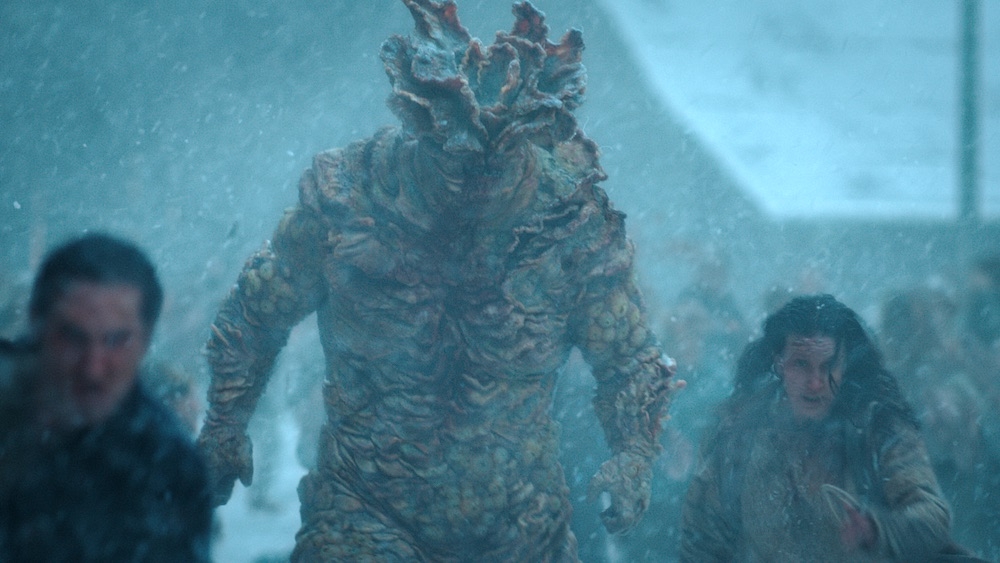
To prepare, Benavente watched hours of gameplay on YouTube and talked to his daughter-in-law, who loves the game. The team worked with game creator Neil Druckmann at Naughty Dog for reference, but aimed to craft new sounds that honored the spirit of the video game rather than replicate it.
“Season one was tough. We started doing some creature voices, which Craig did not like at all,” Benavente says. “So, I hired some younger sound editors who did play the game. That's the key. I didn't know much about the game, but I hired the right people who did. They taught me about the game and I taught them what I knew about sound, and it worked out really well.
“That first episode was almost the length of a feature and packed with elements. We tried a lot of ideas. It was challenging, but incredibly rewarding.”
One major challenge was constantly evolving VFX. Gunshots would shift by frames as shots were updated. “We had to keep recalibrating everything.”
In the emotionally intense scenes, like Joel’s death in season two, he says sound becomes subjective. “It drifts, becomes surreal, moves inside Ellie’s head. The emotional power in these moments comes from restraint not spectacle. That’s where sound can really tell story.”
35mm to AI
Technological change has reshaped the craft during his career. He began cutting on 35mm magnetic film, when mixing stages included pool tables to fill the downtime between reel changes.
“You had an hour while they loaded the next reel up. Pre-internet, you’d sit around reading magazines.”
The transition to Pro Tools in the early 1990s felt gradual at first. “It didn’t feel faster because we were so efficient on film. But over time, computers got faster, drives got bigger, plugins more sophisticated. Now the precision is incredible — especially with ADR. You can match lip sync almost perfectly.”
Artificial intelligence is the newest frontier. Benavente has already worked on a project that recreated a deceased actor’s voice with the family’s permission. “It was astonishing,” he says. Used ethically, with consent and compensation, he sees AI as another tool in the evolving sound palette.
“I'm the least technical sound editor on the planet. I know what I need to know, and I know who to ask if I don't know something. When I teach classes, I tell my students not to be afraid of admitting to not knowing something. Just know how to handle it and get the information from whoever has as opposed to faking it because that way you’ll get found out.”
Now in his seventies, Benavente describes himself as semi-retired. Speaking from his home in Palm Springs, coffee in hand, he appreciates mornings without looming deadlines.
But he hasn’t stepped away from sound. He teaches at USC’s School of Cinematic Arts, guiding a new generation of filmmakers. Their ambition and creativity energize him. “They’re incredibly talented. The excitement I used to get from a big project,” he reflects, “I get now from my students.”
A career that began with a boy listening closely in a quiet office has come to rest not in noise, but in the simple, enduring act of listening.
Sohonet is proud to be part of the workflow for this award-winning production.

Get the latest news and updates from Sohonet in your inbox
.png)
.webp)
.png)