Virtual Production Workflows Explained: Why Post Production Pipelines Are the Real Bottleneck
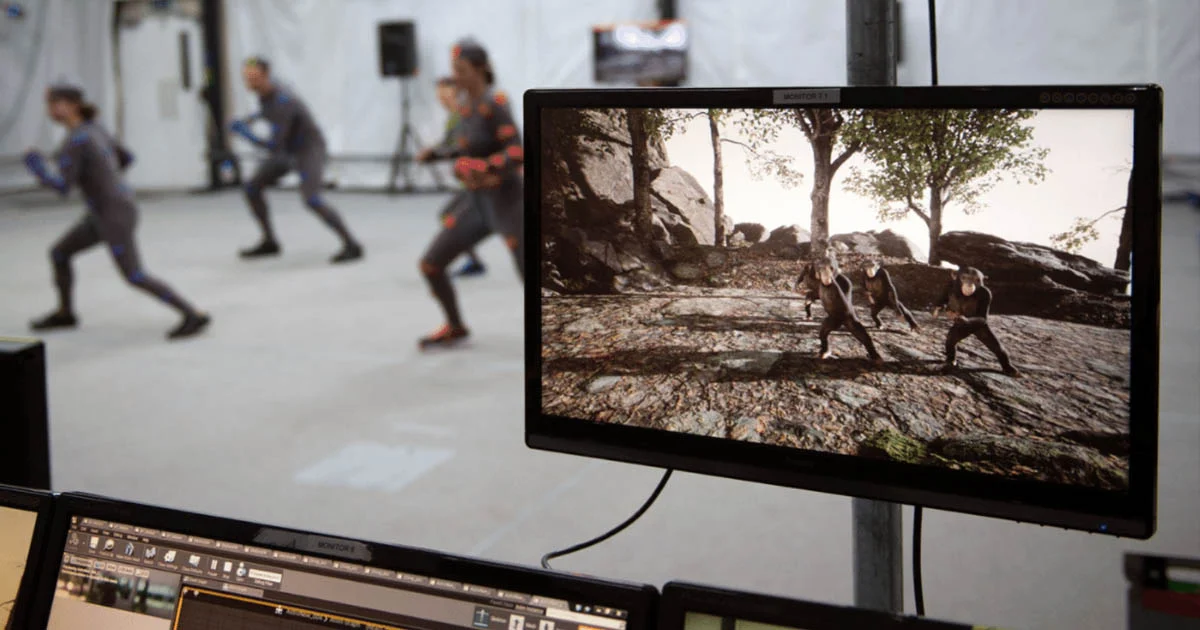
Virtual production workflows have changed what's possible on set. LED volumes, real-time game engines, and on-set VFX reviews have collapsed some of the traditional boundaries between principal photography and post. Filmmakers are making creative decisions in-camera that would previously have taken weeks of VFX work to test and iterate.
But here's the thing most articles about virtual production miss: the on-set magic doesn't automatically translate into a faster post pipeline. In fact, for many productions, the bottleneck has simply moved. In practice, this means faster decisions on set are often slowed down later by data handling, transfer, and coordination challenges in post production. It's no longer a question of whether you can achieve the shot on set - it's whether your post workflows can handle what comes off the volume.
These shifts are redefining how virtual production workflows connect on-set decisions with post production infrastructure and increasing the need for secure workflows, as discussed in Zero Trust Security in Post Production.
What Virtual Production Actually Produces
An LED volume production generates a significant volume of complex data that post needs to process, manage, and track:
In-camera VFX (ICVFX) plates. The background LED content, the plates that fill the volume, needs to be managed carefully across takes, scenes, and shooting days. Versions multiply quickly. Production is capturing high-resolution, high-frame-rate media that post will need to handle while maintaining the integrity of the virtual environment metadata.
Tracking data. Camera tracking, lens data, and colour information from the volume must be captured accurately and passed downstream. If this data is lost or corrupted between set and post, the cost of reconstructing or working around it is significant.
Real-time renders and previs. The real-time renders shown on set during shooting serve as reference material throughout post. They need to be stored, versioned, and accessible alongside the actual plate material.
Onset editorial decisions. Virtual production often involves editorial decisions on set, cutting between takes, selecting backgrounds, adjusting compositions in real time. These decisions need to flow into the post pipeline without being lost or overridden by standard editorial processes that aren't aware of them.
Managing all of this across a distributed post team, editorial in one location, VFX in several others, colour and sound elsewhere, creates data management challenges that a traditional production workflow simply wasn't designed for. This is exactly where Sohonet Core, Sohonet's production asset management platform, becomes critical - providing a centralised, version-controlled register for all plates, renders, tracking data, and editorial references that all post departments can access.
In short, virtual production workflows generate more data, more dependencies, and more coordination requirements than traditional pipelines.
The Near-Set vs. Remote Review Problem
One of the defining features of virtual production is that creative decisions happen in real time, on set, in front of the LED volume. Directors and DPs are making calls about background choices, lighting interactions, and final looks that would previously have been deferred to post.
This creates a new class of stakeholder who needs to participate in real-time review from a distance - the streaming supervisor at the streamer's headquarters, the VFX supervisor who can't be on set every day, the executive producer who needs to sign off on a critical sequence background before the set is struck and rebuilt.
Getting high-quality, colour-accurate content to these reviewers, quickly, securely, and without the latency that breaks the creative conversation, is where many virtual productions hit their first post workflow problem. Consumer video calls weren't designed for colour-critical review. Sending files for async review defeats the purpose of real-time decision-making.
This creates a gap between real-time decision-making on set and delayed validation in post workflows. ClearView Flex was built for exactly this use case - streaming colour-accurate content to remote reviewers in real time, with the quality and low latency that makes meaningful creative review possible. Near-set and remote review become part of the same workflow rather than two separate, disconnected processes.
Onset-to-Post Data Flow: Where It Breaks
The transition from set to post is where virtual production workflows most commonly break down. At this stage, the virtual production workflow shifts from real-time execution to data-heavy processing, where inefficiencies become visible.
What virtual production workflows expose most clearly is not just a tooling problem, but an infrastructure gap. Moving data, managing assets, enabling review, and maintaining security are often handled in disconnected systems. Sohonet Media Fabric brings these layers together, connecting transfer, storage, review, and collaboration into a single, integrated workflow designed for modern production pipelines.
The reasons are predictable:
Volume of data. A single day on an LED volume can generate terabytes of plate media, tracking data, and renders. Moving that data from set to post, whether to a nearby facility or to a distributed team across multiple locations, requires infrastructure that can keep pace with the production schedule.
Metadata management. Plates need to arrive in post with their metadata intact - shoot day, scene, take, camera, lighting conditions, tracking data. When this information is lost or disorganised, the cost of reconstruction falls on already-pressured post teams. Sohonet Core ensures metadata travels with assets throughout the pipeline, maintaining the integrity of the virtual environment data from set through to delivery.
Version control. Plates are revised throughout post as VFX teams refine lighting, extend environments, or rework sequences. Without rigorous version control, facilities can find themselves working on superseded material, a problem that multiplies across a multi-vendor pipeline.
Moving data quickly and reliably between set and post facilities is a core infrastructure requirement for any virtual production. Sohonet FileRunner handles large, complex media transfers reliably without file-size limitations or plugin dependencies, supporting the high-volume, high-frequency transfers required by virtual production workflows.
Building a Virtual Production Post Pipeline
The productions that get virtual production right don't just invest in the LED volume - they invest equally in the post infrastructure that makes the on-set work pay off.
Key principles:
Design the post pipeline before you light the volume. The data management, review, and delivery workflows need to be agreed before principal photography begins. Post teams should be involved in pre-production, not brought in after the fact.
Establish clear data handoff protocols. Define exactly what metadata must accompany every asset, how versions are named and tracked, and who is responsible for data integrity at each point of the pipeline.
Plan for distributed review from day one. If any stakeholder, executive, VFX supe, streamer, will need to participate in review from a remote location, set up and test the review infrastructure during prep, not during production.
Over-invest in transfer infrastructure. Moving data is not a place to economise. Slow, unreliable transfers create cascading delays across the entire post pipeline. The cost of appropriate infrastructure is negligible compared to the cost of reshoots or extended post schedules.
Create a shared asset register. All plates, renders, tracking data, and editorial references should live in a single, version-controlled register that all post departments can access. This single source of truth prevents the version conflicts that plague distributed post pipelines. Sohonet Core is built for exactly this, giving distributed teams a shared, searchable, access-controlled home for every asset across the production.
This is where integrated infrastructure becomes critical. Rather than stitching together separate tools for transfer, review, and asset management, productions are increasingly moving toward unified workflow layers. Sohonet Media Fabric provides this foundation, ensuring that every part of the virtual production workflow, from onset capture to final delivery, operates as a connected system.
The Bigger Opportunity
Ultimately, the effectiveness of a virtual production workflow is determined less by what happens on set, and more by how efficiently post production can process and act on that output.
Virtual production promises faster creative iteration, greater control over the final image, and new possibilities for storytelling in challenging locations or environments. Those benefits are real. But they depend on a post pipeline that's been designed to receive, manage, and process what comes off the volume.
The facilities and productions that will get the most out of virtual production are those that treat post infrastructure as integral to the virtual production workflow, not something to solve later. The bottleneck has moved. The opportunity is to remove it entirely.
Frequently Asked Questions
What is a virtual production workflow?
A virtual production workflow encompasses the processes and infrastructure used to capture, manage, and deliver the data generated by virtual production techniques, including LED volume shoots, in-camera VFX, real-time rendering, and on-set tracking. It spans from on-set data capture through editorial, VFX, colour, and delivery.
Why is post production a bottleneck in virtual production?
Virtual production generates large volumes of complex, interdependent data, plates, tracking metadata, real-time renders, data integrity across distributed teams. If the post infrastructure isn't designed to handle this, it becomes the limiting factor in the production schedule.
What are ICVFX plates in virtual production?
In-camera VFX (ICVFX) plates are the high-resolution background content displayed on an LED volume during principal photography. They are captured as part of the final or near-final image, but still require careful management through post for adjustments, extensions, and integration with foreground elements.
How does remote review work in virtual production?
Remote review in virtual production typically involves streaming colour-accurate, low-latency content to stakeholders, directors, VFX supervisors, executives, who can't be physically present on set. Dedicated remote review platforms designed for colour-critical work are essential, as standard video conferencing tools lack the quality and latency performance needed for meaningful creative decisions.
What infrastructure does virtual production post require?
Key infrastructure requirements include: high-volume, reliable file transfer between set and post facilities; real-time or near-real-time remote review capability; version-controlled asset management; and clear data handoff protocols for metadata and tracking data. These should be planned and tested during pre-production.
Sohonet supports virtual production teams with Media Fabric, ClearView Flex, FileRunner, and Core, delivering integrated infrastructure for review, transfer, asset management, and collaboration across the entire workflow.

Get the latest news and updates from Sohonet in your inbox
.png)
.webp)
.png)