Move to Colo Without Missing a Frame

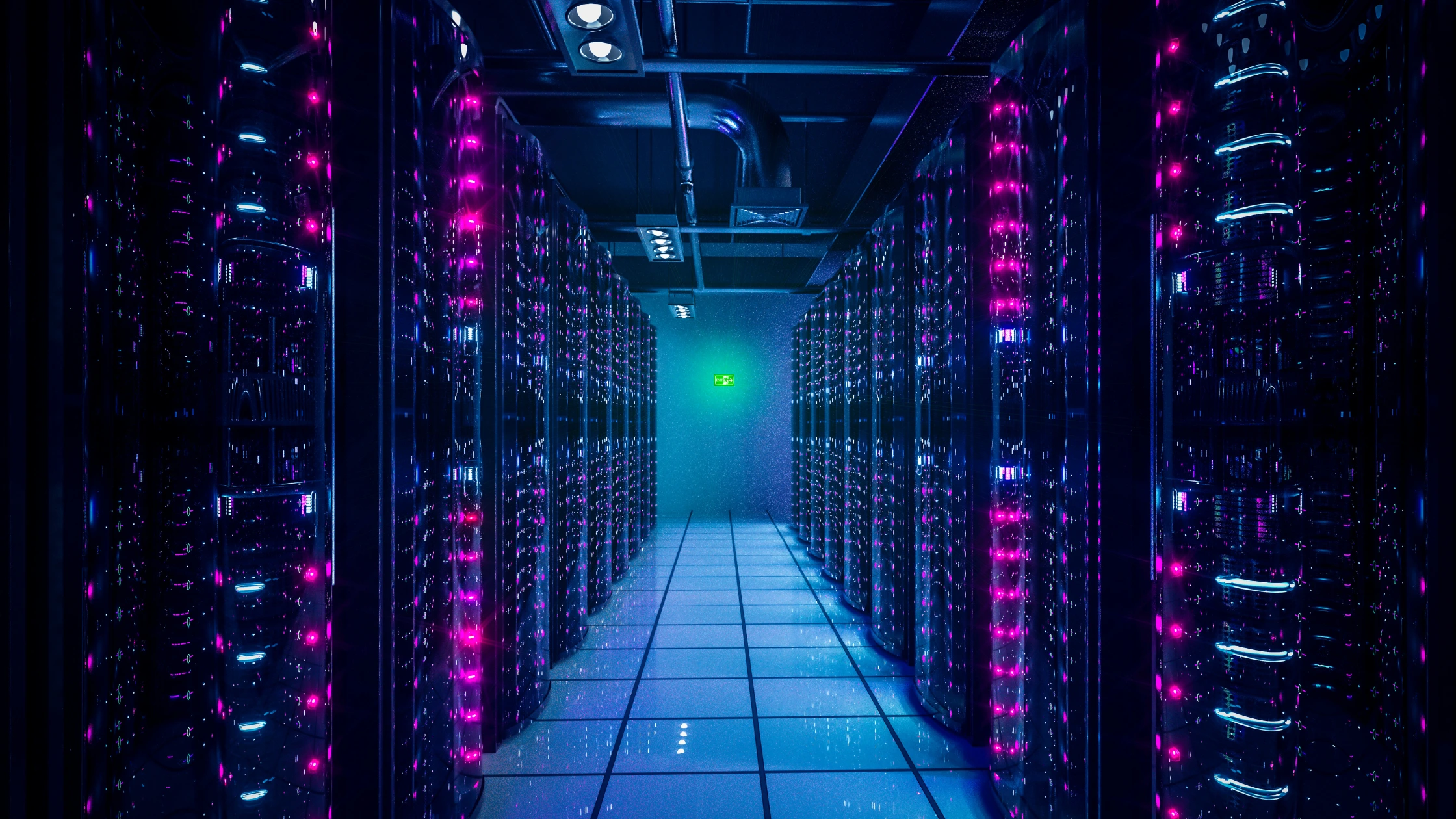
When It’s Time to Move Your Machines Out of the Office
You add more storage. A few render nodes. Another UPS or two. Before long, the machine room has taken over the office.
As your team grows, your infrastructure starts competing with your people for space. Noise, heat, and power become daily concerns, and suddenly you’re managing cooling and cabling instead of making work.
For many teams, this moment shows up at lease renewal, when adding a render farm, or when scaling further would mean tearing the space apart. That's when colocation stops being a someday conversation and becomes the obvious next move.
Why Teams Make the Move
Colocation solves problems your office was never built for:
- Space back for people Racks and hardware move out, giving editors, artists, and producers room to work again.
- Power and cooling done properly Data centres are built for dense compute. No more worrying about load, heat, or resilience.
- Freedom to scale Adding capacity no longer means rethinking the entire office layout.
Colo solves the physical constraints. The network decides whether it actually works.
What Changes When Machines Leave the Building
Once infrastructure moves out of the office, a new set of requirements appears.
Storage and render systems are no longer in the same room, so latency and reliability matter immediately. The connection between the office and the data centre becomes the backbone of day-to-day work. Security boundaries need to be clearly defined, especially with remote staff and external partners in the mix. And for many teams, this is also when hybrid or cloud workflows start to come into play - adding more pressure to get the routing right.
Get the setup wrong, and everything feels slower and more fragile than before.

What a Well-Connected Colo Setup Looks Like
What matters most: moving your machines out shouldn't change how your team works. Sohonet works with you to design, deliver, and manage this transition end to end, with 24/7 support from engineers who understand post-production workflows.
These are the services we most commonly recommend to make the move to colo successful:
Multiport connectivity into the data centre
Flexible access to your colo environment, partners, and future expansion without reworking the network each time.
A low-latency circuit between the office and the colo
Dedicated connectivity engineered so storage, render, and services continue to feel local.
A managed firewall at the colo edge
Security positioned at the data centre boundary, monitored and maintained around the clock, without adding operational overhead.
FastLane for hybrid cloud workflows
Clean, predictable routing when teams start using cloud compute or burst capacity.
Many teams also add Resilio for high-performance storage synchronisation, or remote access services to support editors and producers working from home.
Every setup is different. If you're weighing a move to colo, let's talk through what makes sense for yours.
Author Olivia Broadley, Global Head of Marketing

Get the latest news and updates from Sohonet in your inbox
.png)
.webp)
.png)